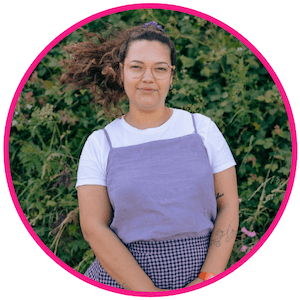
Photographer Celie Nigoumi
About this podcast episode…
PHOTOGRAPHER & CREATIVE FACILITATOR CELIE NIGOUMI
We’re off to Somerset in the West of England this time, from where Celie Nigoumi shares her journey from severe burnout and chronic health challenges after university to building a thriving freelance business that works for her in a way normal employment and fluorescent offices never could.
Celie talks about navigating neurodivergence, merging multiple niches into a single authentic personal brand, and using boundary-setting tools like quarterly planning and bi-weekly 'buffer' days to safeguard her well-being.
We also get deep into pricing/packages her freelance business, and her About page messaging that spills across her website steeped in her core values - this helps her attract ideal clients while turning away the wrong fit.
In this episode of the Being Freelance podcast, Celie shares:
Transitioning from in-house corporate photography to full-time freelancing
Managing ADHD, chronic fatigue/ME, and burnout in a self-employed career
Merging wedding and personal branding photography into one personal brand
Using Instagram, story-led email newsletters, and SEO to generate client leads
Establishing clear core values on your website to attract the right clients
Hosting community photo walks and collaborating with purpose-led organisations
Structuring personal branding packages and conducting discovery calls
Using support tools like Toggl and the UK Government's Access to Work scheme
Implementing bi-weekly buffer days, quarterly planning, and extended time off
How a mentor and community have helped focus her and encourage her forward
This episode is available to watch in video here on the site, on Apple Podcasts, YouTube and Spotify.
Read a full transcript & get Links in the tabs.
More from CELIE Nigoumi
Celie’s website
Celie on LinkedIn
Celie on Instagram
Access To Work details (UK Government)
More from Steve Folland

Transcript of the Being Freelance podcast with Steve Folland and Photographer & Creative Facilitator Celie Nigoumi
Celie Nigoumi:
Hi, I'm Celie Nigoumi. I'm a photographer and creative facilitator, and I'm based in Somerset.
Steve Folland:
And I'm Steve Folland, a video and podcast editor and the creator of this here podcast and community. Since 2015, I've been speaking to freelancers from around the world, finding out their stories, learning from their tips, and most importantly, helping you realize you're not alone being freelance.
Steve Folland:
As ever, how about we get started hearing how you got started being freelance?
Celie Nigoumi:
Yeah. So, I graduated 10 years ago now with a visual communication degree. I specialized in photography. And I actually burnt out real hard after that, and I wasn't very well for a while. So, when I started doing my in-house photography work, I started off part-time, managing what I can, and then I went into more full-time work as I kind of got better. And I was working at two different global brands for a couple of years, photographing all sorts of weird products. My first job was actually photographing gloves for a museum archive, which was... I still can't wear gloves. To this day, still can't wear gloves. Because I photographed like 1,200 pairs of gloves.
Steve Folland:
Wow, okay, yeah. Too many gloves.
Celie Nigoumi:
And then I went on to work for a stationery company, photographing stationery. Unfortunately, I was made redundant from that job, which I actually did really enjoy, but I think it was a bit of a blessing in disguise because that helped me go into freelance work fully. So, I was doing part-time kind of shop jobs alongside freelancing to build up my portfolio, work out what I really wanted to do, and kind of get my name out there. And I actually did my first personal branding photo shoot. I remember I did it, and I was like, "This is amazing. I've loved this so much." It went so well. I loved the photos, had a really good time. And then the next week, the first lockdown was announced, and I was like, "No, I've just found the thing that I really enjoy." So then it was a bit of a funny year, kind of working out all of that stuff. And then, yeah, I went fully self-employed in 2021. Enjoying it ever since. Yeah, five years now.
Steve Folland:
So while you were working in-house, were you doing freelance stuff on the side as well?
Celie Nigoumi:
Yes. I started to slowly, but my energy levels were not good. Now I know I've got ADHD, all of that makes an awful lot more sense after uni, that I worked so hard to get my first that I completely, completely burnt out. So I was doing as much as I could, but I was very mindful of my health. And there's something within photography, it probably is with other creative industries as well, but you're really told to make the work that you want to do and say yes to everything and do everything all the time. That just wasn't an option for me at that point. So I was doing some freelance work on the side, but I was mostly focusing on surviving the day-to-day and the gloves.
Steve Folland:
And the gloves.
Celie Nigoumi:
Surviving the gloves.
Steve Folland:
At least you can still use stationery. I hope that-
Celie Nigoumi:
I love stationery still.
Steve Folland:
Right, okay. That makes sense.
Celie Nigoumi:
I've actually had three different stationery jobs.
Steve Folland:
So what's interesting, though, is that you burnt out after uni. Did that happen again in your jobs, or by the time you went freelance, had you kind of figured out much better the way you needed to work to look after yourself and vice versa?
Celie Nigoumi:
No, I burnt out twice before I was 30, which again, now I understand my brain and my neurodivergence. It makes an awful lot more sense why that all happened, but I didn't know about it at the time. So yeah, I burnt out after university and developed chronic fatigue, ME. So I had to kind of take things slowly, but I still had to earn money. I still had to work, and I wanted to be a photographer desperately, so I kind of put all my energy into that. And then when I was working in a shop, I was a print manager in a local art and stationery shop part-time throughout lockdown and stuff. That was really, really hard, and I had basically a mental breakdown and was signed off work for a while. And then I just didn't go back, and I became a freelance, fully freelance photographer. I was like, "I can't keep doing that, and I've just got to take a risk and hope that it works." And by that point, I had built up my brand and my business enough that I was getting consistent bookings and people knew me. But I think when I quit that job, I only had kind of two bookings coming up. So it was a real risk, and I didn't have... My family can't afford to support me if things go wrong, so it was a, "If this doesn't work, then it doesn't work, but I'll just get another job." Or I had to just trust myself that it would be okay, and it has been.
Steve Folland:
So what have you put in place, though, to look after yourself this time around? Because freelance life can be very consuming in itself. So, how have you managed it so that you've looked after yourself this time around?
Celie Nigoumi:
Yeah. Well, I definitely, when I first started freelancing, I was saying yes to everything, partly because I wanted the work and needed the money, but also because I was excited to be doing a little bit of everything and really work out what kind of part of the industry I wanted to go into and what I wanted to do more of. And I was working on my own personal projects on the side as well. But I found that I could manage my time so much better when I was in charge of it. And the freedom of, like, "I'm not feeling good today, so I can rest," was incredible, rather than, "I'm not feeling good today, but I have to go and do the thing anyway." Or, "I let someone down by saying no," has been amazing. And the kinds of people that I work with are wonderful as well, and that is good for your nervous system to be working with people who you really connect with rather than people who you're just- ... put with in an office. And I think the environment as well, like my study is decorated and I've got beautiful things all around me and colorful lights. That really helps me as well, rather than being in a fluorescent office. That wasn't good for me, I realized.
Celie Nigoumi:
And also, I have help. I've learned to ask for help, and so I have a couple of VAs who I work with who support me in tasks that I'm not very good at and keeping me on track and keeping me accountable. That's really great. And also, yeah, I'm working on the kinds of jobs that I really enjoy doing. So when I started freelancing, I was saying yes to a bit of everything. I also had two businesses, so I had a wedding photography business and a separate personal branding photography business. And after a while, I found that very difficult to have these two parts of myself almost, two websites, two Instagrams, and I felt like I was a kind of a different person in both of them, because I was trying to be what I thought I should be as this person and who I should be as this person. And I found that really difficult. So a couple of years ago, I culminated it into one website, which is just me, and I do different types of things. And I started off by kind of saying, "I'm not going to do the weddings anymore. I'll just put all my eggs in the personal branding basket," which I really loved for a while. And then last year, I kind of re-evaluated and reflected and said, "Actually, I really do enjoy doing quite a lot of different types of photography."
Celie Nigoumi:
But the kind of person I want to work, the kind of organization, that's where that kind of niche is, where that's what joins everything together. So I think kind of allowing myself to rest and re-evaluate and reflect on things has really helped me to save my energy and put boundaries in place so I'm enjoying what I do. And so I don't burn out because I'm having a good time. That makes a difference, apparently.
Steve Folland:
So you had two niches, in effect, personal brand and wedding, but actually two... Because they always say if you've got a niche, it makes your marketing easier. But actually, because it was you doing all of it, that complicated it.
Celie Nigoumi:
I found that really hard. My brain really struggled to be two things. So I've kind of brought it back to it's me, it's Celie, and you come to me for my style and my expertise and my way of working, my way of seeing the world, and my style of communication and storytelling, and I can do it across these different ways rather than this version of me and this version of me, because that was hard work. But for some people, it works really well, but I just couldn't sit with it comfortably, I guess.
Steve Folland:
So how did you find your first freelance clients?
Celie Nigoumi:
I think one of my first freelance clients was actually someone I worked with at my second in-house job at the stationery company. She was setting up her own business because we all knew that we were going to be made redundant in about six months time.
Steve Folland:
Right.
Celie Nigoumi:
So a lot of people were setting up businesses and kind of preparing for the next stage, but we were like, "Well, if we're still going to be paid to be here for six months, we might as well have an easy ride for a bit." It was a really strange time because I was only there for about 10 months. It was weird. Anyway, so I think one of my first photography clients, she was setting up a business making leads and collars for dachshunds, very specifically. So I photographed her dogs with her designs, like her creations, and that was a fun day. So it was like product photography, and then I really loved photographing the dogs, and then I ended up doing quite a lot of pet portraiture, and I found those people on Facebook. I was just offering cheap shoots to photograph people's dogs.
Steve Folland:
You found them, not they found you?
Celie Nigoumi:
So I just said on my town's Facebook page, I was like, "Anyone want their dog photographed?" And lots of people got in touch. And I now, it's because I was offering it very cheap, because I didn't know what I was doing. I didn't know how to run a business, and I realized that it's a lot of effort photographing dogs because you're crawling around for two hours around the woods, and I was like, "This is not worth 50 pounds."
Steve Folland:
But you were building up a portfolio.
Celie Nigoumi:
Yes.
Steve Folland:
So was there a change in where these clients started to come from and how you began to price yourself?
Celie Nigoumi:
Yeah. So I was realizing how much... Because obviously when you're in a salaried job, you're not quite aware of how much... I guess you're less aware of how much time and energy each project is taking up, or how much that would be worth. Does that make sense?
Steve Folland:
Mm-hmm.
Celie Nigoumi:
So it's a bit confusing, and also some people in industries are not particularly open to sharing rates and things. Sometimes it can be a bit competitive, and I'm very much like a collaboration over competition. I help out photographers. We go for chats and walks, and I really enjoy being in that community and helping other photographers do stuff, but that- I found that hard at the beginning. People didn't seem to want to be doing that.
Celie Nigoumi:
So, I started building up my Instagram probably around lockdown, actually, about 2020, I think. I started really building up my business Instagram and promoting myself, and started taking photos of myself to be like, "Oh, this is me. This is who I am," and building up that personal brand. And I didn't really understand what personal branding was particularly, but I really enjoyed portraiture. And then I think, actually, no, now I remember, it was a dog shoot that I was on photographing someone's dog. And she said, "Oh, I saw you did some nice photos of this person the other day. Could you take a few pictures for me for my business while we're here?" And I thought, "Yeah, sure." I posted those pictures, and then more of those requests started coming in. Yeah.
Steve Folland:
Via your Instagram?
Celie Nigoumi:
Yes. So Instagram, and then I was still building up my website, my portfolio on there. By that point, I kind of had a lot of work that I'd made at university, and a lot of my pictures that I'd taken since then were like gloves and glue sticks. And I was like, "Oh, I can't put that on my website." And also, I didn't own those photos technically. So then, yeah, I was kind of building up my portfolio and taking pictures of my friends and doing personal projects to build up my website. And I think, yeah, they were going hand in hand, my website and my Instagram. And then I started building up an email list a bit later down the line as well.
Steve Folland:
So your portfolio started to take shape. People are finding you as well as you reaching out to people?
Celie Nigoumi:
Yeah. I wasn't reaching out to many people, actually. I think I was quite anxious of doing that. But I was winning a few competitions. I was a winner of Portrait of Britain in 2021, and I was in a few exhibitions as well, so that was getting my name out there more locally and more nationally as well. And I was being published in different places, so that was starting to bring people to me. But I didn't start pitching for a long time. I was very scared of rejection.
Steve Folland:
But when you win those sort of comp- so Portrait of Britain is a big competition.
Celie Nigoumi:
Yeah.
Steve Folland:
And doesn't your work end up being displayed-
Celie Nigoumi:
Yes, in a book.
Steve Folland:
In a book, even on billboards and stuff?
Celie Nigoumi:
Yeah. So it was on-
Steve Folland:
Yeah
Celie Nigoumi:
... big displays all around the country, and people would send me my photo on-
Steve Folland:
Yes
Celie Nigoumi:
... billboards. And I was like, "That's crazy."
Steve Folland:
I remember this because somebody in the Being Freelance community, Marge, had her photo in that same thing. And I remember standing on a London street waiting for the revolving billboard.
Celie Nigoumi:
Yeah, they change.
Steve Folland:
Waiting for it to get to her picture in-
Celie Nigoumi:
Yeah
Steve Folland:
... standing there in the rain. And then, of course, as you took the picture, the bus would go past and obscure it, and so you'd have to stand there again with your mate going, "No, really, we'll go to the pub in a sec."
Celie Nigoumi:
For another 10 minutes.
Steve Folland:
Yeah, "Just wait."
Steve Folland:
But there's then monopolizing on that, like making the most of those opportunities.
Celie Nigoumi:
Yeah, but I didn't know how to do that, really. Like, I'd kind of say, go on in my Instagram and say, "Oh, I've done this thing," but I didn't know how to get myself out there. I didn't really know where to tell people that, I guess, or who was interested, who actually cares about it. So that's all been a learning curve.
Steve Folland:
Well, go on then. So what did you learn?
Celie Nigoumi:
So I've learned that blogs are really good traction for getting people onto your website and also having a place to share news and share stories and lessons. And also, that's what I do on my newsletter list. So I've got a very highly engaged email list, and I send out kind of very story-led emails and advice about personal branding and showing up in your business with authenticity and joy at its core so that you enjoy what you do, so less likely to burn out and more likely to enjoy your business and also just attract the kind of customers who you really want to work with. And yeah, I still post on my Instagram regularly, but I'm much more boundaried with how often I use my Instagram now because it's not so great for my brain to be scrolling. It's not great for anyone's brain to be scrolling that much, but I'm quite rigid with how much I go on it now. So, the way I post, I think, has changed, but I've got kind of a very organic, very highly engaged audience on there. And it's not huge at all, but it's built up in a really nice way. And I do enjoy it. I do enjoy that side of it.
Steve Folland:
So is much of the work that you do local to you?
Celie Nigoumi:
Up until a couple of years ago, yes. This year I've worked in Birmingham and in the Peak District and in London a few times. So I'd say that it's probably 50/50, really. And I work in Bristol a lot, so I'm about an hour from Bristol. I'm there very frequently, most weeks. So I'd say it's probably about, no, probably about 60/40, like within an hour radius and traveling for things.
Steve Folland:
And does your website help in that respect, like SEO-wise to the local area?
Celie Nigoumi:
Yeah. I've done a lot of work on my website and my SEO, and I've had support to do that as well. I had someone build me a new website last year because it just needed a complete refresh. So my friend Dom did an incredible job, and we really worked hard on the SEO, making sure all of the image names are, what's the word? Optimized. And yeah, my location is in there, but I make it clear that I'm based here, but I do work all over because I don't want to put people off hiring me if they're further away.
Steve Folland:
I love your website.
Celie Nigoumi:
Thank you.
Steve Folland:
Do you mind if I read... And remember, you might be listening to this years into the future. Celie's website might well change. But do you mind if I read-
Celie Nigoumi:
Yeah
Steve Folland:
... the beginning of your website?
Celie Nigoumi:
Yeah, do go for it. And I do want to say that I've had help with kind of getting the ideas ready for copy and what do I want to say, and then I wrote- ... it by myself, but I had support in getting all the stuff together from a copywriter of how I want it to be, but we, yeah, worked together to write it all.
Steve Folland:
Oh, right. So how did that work? What, like they talked it through with you or?
Celie Nigoumi:
Yeah, so we had a day together where we kind of worked out what I want to say and how I want to say it and what energy I'm showing up with. But I've got quite a specific style of writing, I think, so I don't want people to write for me. I want to know that it's coming from me. So, all of my marketing, all of my emails, nothing's ever written by AI or anything. It's all by me. All of my captions, everything that I post, I've written. Yeah.
Steve Folland:
Mm-hmm. So it says, "Hey, I'm Celie, a queer, forest bathing, story-loving, spiritually curious, piano-learning, matcha-drinking, shadow-seeking, dog-obsessed, neurodivergent photographer. My practice is all about celebration and radical authenticity." Man, that first sentence is one of the greatest sentences ever.
Celie Nigoumi:
Oh, thanks.
Steve Folland:
Because it says so much about you.
Celie Nigoumi:
Yeah.
Steve Folland:
But it says so much about the people who would then read that and go, "I want to work with this person." So therefore, it says so much about the people you want to work with.
Celie Nigoumi:
Yes. I'm repelling certain people that I just do not want to work with. And I'm attracting the people who I do want to work with at the same time.
Steve Folland:
Hey, it's Steve here. Whilst editing the podcast, Celie asked me to point out that after our conversation, she realized that this comes across like she wrote the whole website. She didn't. She did actually work with a copywriter on some of her website, some of the phrases you'll find on it, also the case studies, or some of the case studies. Anyway, yeah, she didn't want to give the impression that she'd done the whole thing, but she did write the about page that we're talking about in this part of the podcast. So yes, I hope that's cleared up. And if you wrote the rest of the website, well done you. It's very nice. Okay, back to it.
Steve Folland:
And that then flows through the rest of the website and your about page, which goes into detail about your story and about the kind of your values. So was it only last year that you started to sort of lead on wanting to work with people who had similar values, that kind of purpose-led people or purpose-led organizations?
Celie Nigoumi:
Yeah, I think I've always been a very political person. Like, I've never shied away from sharing my opinion. I just can't sit by and watch things happen and just let... I'm a very sensitive person, I guess, and I have a very strong sense of social justice and moral justice, which I think is quite a neurodivergent thing as well. So for example, my final major project at university was that I traveled up and down the country photographing protests and interviewing and making portraits with campaigners and activists, because I thought the work they were doing in so many different areas was really interesting and I wanted to find out more about it, and I ended up making a book and did an exhibition. So I kind of circled back to that in a way, and I'm a very documentary-led type of photographer. That's very much my style, and I'm very into journalism. That was kind of one of the other things that I wanted to do, and so I'm kind of bringing that into my work a bit now.
Celie Nigoumi:
But, yeah, just going back to the kind of people that I want to work with, I kind of made a decision a couple years ago that I really wanted to lean into founders who were purpose-led and had strong values, people who aren't afraid to speak up about things. But also, I'm very understanding that people really are afraid to speak up about things within their business because they don't want to lose out on work, and they don't want to be canceled, and they don't want to be repelling people. But actually, I think repelling certain people is a really great thing in your business. You're going to filter out people who you don't want to work with anyway. And I personally, yeah, there's brands and companies and types of people who I do not particularly want to benefit their business. I don't want to help them. So I can just say that now and avoid any of the stuff with it. So yeah, I really enjoy kind of helping people to have the confidence to share their values in their business, and doing that with photography that really embraces everything about them is a really great way of doing that, to go alongside their brand and their copy and their messaging. And also makes them feel confident in doing it if they're like, "I've had this experience where I really delved into my core values and what I believe in." That's something that I help people with in my branding work. My personal branding packages is helping people to kind of reconnect with those key values and how we can express them visually. And I'm showing them that you can do that and have a successful business while speaking up.
Celie Nigoumi:
And I've run photo walks, so we were talking about being a creative facilitator earlier. So I started hosting photo walks two years ago, and one of the reasons I started those was because I wanted to raise money for Palestine. So, a portion of all of my ticket sales go to the Gaza Soup Kitchen, and that was one of the reasons that I started it, and I still donate money from the tickets to there. And yeah, it's just a small part I play. I think we've raised over 400 pounds for those through the walks, which is great. And also, I know that the people who are going to come to those walks are my kind of people as well. And yeah, it's just another way of sharing my values within my business and my brand.
Steve Folland:
There's so much to dig into. So the photo walks came out of you thinking, "I'd like to raise money for a cause. How could I do that? What's something I could do?"
Celie Nigoumi:
Yeah. And also, I was really enjoying... I wanted to connect with people through photography, because I know that photography can feel like quite an elitist- ... industry, community. I've personally experienced racism and misogyny within the photography industry, so I wanted to make sure that people who might be interested in photography, but they felt a bit disconnected, or they didn't know where to start, or they don't have a fancy camera. So I just say, "Bring along your phone or your old compact that's on the shelf. Whatever camera you have, bring that along, and we'll walk around very slowly and look at trees and flowers and make pictures and have a nice time together, and also raise some money for a very important cause at the same time." And yeah, they went off.
Steve Folland:
And so you still do those now?
Celie Nigoumi:
Still do those now, most months, yeah. And I've collaborated with a lot of cool brands with them as well.
Steve Folland:
Oh, right. In what way?
Celie Nigoumi:
So, Black Girls Hike and London Wildlife Trust, some co-working communities, and also a Black-led CIC in Bristol who helps people of colour mostly to enjoy the outdoors and be more confident in the outdoors. I've collaborated with all those people to host photo walks in different places, just to kind of put the word out about it. And also, with Soul Trail in Bristol, I co-hosted a six-week nature program with them. So every week, we went to the same place with the same people, learnt about a different type of nature connection. And Leanne, who founded Soul Trail, she's a trained psychotherapist, so she'd kind of really hold space for all the big feelings that would really come up and big topics to talk about, and then I would bring this kind of art, creative play into it as well. And it was all being hosted in nature, and it was really beautiful. So yeah, it's turned into something I didn't quite expect it to as well, but I've really, really loved it. And I'm going to be hosting another photo walk at a rewilding center in Somerset in November, a nice autumnal one. And I've got plans about how they can become something a bit different next year. They can evolve again. So I really loved doing that, yeah. It's helping people connect with nature through art, I think, is very powerful, and I've seen the impact of it. I really have.
Steve Folland:
I love that it started for one reason, but then you've spotted... Well, A, it sounds like you're enjoying it, but you've spotted the other opportunities which are there. Are you reaching out to those brands?
Celie Nigoumi:
No, actually, they've all come to me.
Steve Folland:
They're hearing about it.
Celie Nigoumi:
Yeah, so I met Leanne from Soul Trail at another event that I was at, and we started chatting, and then we ended up, a year later, we ended up hosting this program together. And other brands and organizations, it's from connections I've had, and they've said, "I see you're doing photo walks. Can you do one with us?" But all of the photo walks that I do just by myself, they're all announced on my Instagram and on my photography waitlist, photo walk waitlist, and people buy tickets directly from me for those.
Steve Folland:
It's obviously an income stream in itself.
Steve Folland:
Okay, not obviously.
Celie Nigoumi:
I give away so much of the money that it's not really.
Steve Folland:
Okay.
Steve Folland:
All right.
Celie Nigoumi:
I would like it to become a bigger part of my business, so I do have plans for how I can do that. But also, it's making sure that I'm not losing the reason as why I started them as well. So I'm kind of in the process of working out some of those things, which I'm enjoying, kind of being in that space of exploring it. Yeah.
Steve Folland:
But it also sounds like great marketing for you and all of the people who see it or connect with it.
Celie Nigoumi:
Yeah.
Steve Folland:
It's a differentiator as well. I see lots of photographers' websites, but for example, I saw that and went, "Oh, that's different." Have any of the people you have met along the way on those, maybe they've come on a photo walk, then led to further work as well?
Celie Nigoumi:
Yeah. Some people who've come along have. We've chatted about photography, and they run a business, and they've thought, "Oh, actually, I really get on with you personally." And then we've ended up working together. And I don't go to an awful lot of networking events. I can find them quite stressful. But I have been to some really, really great events this year, so I think I'm working out the kinds of ones that I want to go to, and also kind of really embodying the feeling that I do belong to be in that room, because I'm very much a minority within the photography industry, and I'm hyper-aware of that. And I think sometimes that can get in my head a little bit, so I'm really like, yeah, leaning into that as well a bit more this year. But it has taken a while to kind of feel like I earned... No, that's the wrong term, but kind of want for a better phrase, I earned my place as a photographer within the industry, because I think it's like 5% of photographers are mixed women or something. It's a really tiny number. And when I went to uni, I kind of didn't realize the kinds of people who were going to be there until I got there, and people were saying like, "Oh yeah, my grandpa just bought me this brand new, expensive, top-of-the-line camera for the course." And I was like, "What? That's crazy." I was hiring kit until I left. The whole three years I was at uni, I was hiring kit from the university. And then when I left, I was like, "I'm going to have to buy a camera now." Because I couldn't afford to do that when I was there. So yeah, it's really made me realize, yeah, that I was very much in the minority of who's going to be a photographer.
Celie Nigoumi:
But also that is why a lot of people work with me, and I have a lot of queer clients and neurodivergent clients and people of colour who come to me because they don't see themselves represented on other photographers' pages, websites, and portfolios, and they know that I can hold that space for them and take portraits of them that they're really going to enjoy the experience of, as well as the photo at the end. I can edit different skin tones, which a lot of photographers don't learn about doing. But I have put effort into learning that, and when I edit pictures of myself, obviously I've learned how to do that. So yeah, I think that also draws people in. I can't remember how we started talking about this. I went off on a tangent.
Steve Folland:
They're often the best routes.
Steve Folland:
You mentioned packages. I'd like to ask about that because there was a point when you were like, "50 quid for being in the leaves with a dachshund." How have you developed your, I guess, the business side of it or the pricing side of it, the packages? I'm intrigued about that.
Celie Nigoumi:
Yeah, the whole kind of ecosystem of how people can work with me. It's changed every year. It's probably changed multiple times a year. But I think that's also something I've learned is that if I'm changing my packages and my pricing, it doesn't necessarily have to be something that I announce widely. It doesn't have to be a whole big thing. It's just this thing has changed because I've got a better understanding of how much time I'm spending on these packages.
Celie Nigoumi:
There's an app called Toggl, which is a really great way to record your time. So I started using Toggl, and I realized how much time I was actually spending on the planning process and then the traveling and the preparing my kit and then being on the shoot and then traveling back and then culling and editing and delivering. And I thought, "This is not a sustainable rate that I am currently charging." So I think in 2023, I think I had quite a big price jump when I actually realized how much time I was spending on things, and I thought, "I'm not actually earning that much more than I was in kind of a salary job." Or we've got taxes to pay now. I've got a lot of outgoings. Running a photography business is really expensive. My kit is expensive. I have a lot of software. I have a lot of technical stuff that I need to have.
Celie Nigoumi:
So there is a minimum rate that I need to earn, and then also, every year I have a budget, like a goal of how much I want to earn. I have a good, better, best. So I kind of have three tiers as such. And so I've worked out my cost of doing business, and I really worked backwards from those tiers and took away my outgoings and thought, "Okay, well, this is how much I need to earn per hour. This is how many hours I'm spending on each of these clients. This is how much it needs to cost." And also, I'd say that I'm fully recovered from chronic fatigue. I go to the gym. I lift pretty heavy things multiple times a week. I'm going on hikes up Sugarloaf Mountain, and I'm recovering very quickly. But I still do pace myself and look after my body, so I can't work... I know wedding photographers who will work a 10-hour wedding on Friday and Saturday and Sunday. I can't physically do that. That's not going to happen for me. And also, I do put a lot of time and energy into each person I'm photographing. It is not a turn up and take photos kind of job for me. I really get to know people. And so, yeah, there is a slightly higher rate for the work that I do because I am managing my business differently than some other photographers and what I used to do as well, actually.
Steve Folland:
Mm. Now you have the packages, does that help you? Do people come to you and say, "I want that," or is it more like people come to you and then you go, "Okay, well, maybe this or that," but it kind of cuts down the time and you haven't decided how much you're going to charge?
Celie Nigoumi:
Yeah. So I have worked out three. So I've kind of got three. I've kind of got three and a half personal branding packages. I've got three, and then there's two options for one of them. So it's kind of four packages? I don't know. And I have worked out exactly who needs what, where people might be at in their business, how much support they need, what deliverables they need. And so when people get in touch, we have a discovery call. After we've had our chat, I'll often say, "I think this is the best package for you based on your requirements and your budget and your timeline and how much support that you need to work out what you want to be photographed, as well as actually where you want to be photographed and how we're going to do it." And that isn't to say I'm always saying you have to book the biggest shoot at all. I'm very honest, and I say, "Well, it sounds like you just need a few amazing headshots. The lowest package will be great for you." It's not like a big sales pitch of, "This is the absolute thing that you need." But I'm making it fair for myself, and I'm making it fair for my clients because if they're expecting lots and lots of deliverables and lots of different types of images in all these different locations, my smallest package is not going to be relevant for them, and I don't want to promise the earth if I can't deliver it within that budget or that timeframe.
Celie Nigoumi:
So yeah, got to be honest about it. And then when I work with organizations and bigger brands or teams, I have a bespoke rate that is based on a kind of price list that I have written down, but I don't share that publicly because, yeah, their work is going to be a bespoke rate. And I do, if I've had a chat with a client, a prospective client, and they want something a bit different than my packages, I'm very happy to create a bespoke quote for them if they need a kind of an in-betweeny thing, or sometimes they want to have a photo shoot with their partner's also a business owner, and they both need headshots, and they would like to do it together. Then I can arrange a special package. They can have a shoot together because that's always actually really fun when you bring a friend along.
Celie Nigoumi:
So yeah, they are flexible, but I think it's easy for people as well if they know what I can offer and who it's for, and they can identify with the case studies that I have on my website as well and say, "This person needed this because they wanted to do this. Here's what we made in this package." Voila.
Steve Folland:
When I introduced you, I used the term creative facilitator, as well as freelance photographer. Freelance photographer, creative facilitator. What's a creative facilitator and how have you come to realize you can offer that, if that is not a rude question?
Celie Nigoumi:
No. Do you know what? It is a phrase that I have started using a few months ago, actually. It's a fairly new thing that I'm settling into, but I was working, I had a call with my photography mentor and I was saying, "I'm really stuck on what my title is right now." And I felt like I was in the messy middle of not knowing what I was, in a way. And she said, "What are you doing at the moment?" So I told her all the things that I'm doing, and she said, "That sounds a lot like creative facilitation." And I thought, "That's amazing." Like, that really felt like a full body yes, as my friend says.
Celie Nigoumi:
So I think through my photo walks, I have started being a creative facilitator over the last two years, where I'm encouraging people to look at nature in a different way and observe their surroundings and really tap into their inner artist, because I really think that we're all artists. We might not have just found the way we express ourselves through art yet. And then when I'm working with my personal brand clients, we are very much... I'm facilitating their kind of creative adventure, as I like to call it, where they're tapping into their key values and working out what they want to say to the world, what they want to do, what they want to do more of in their business. And there's a process that I take them through, yeah, to uncover some of those things that they might not have reflected on for a while within their business. And that's the type of facilitation that I'm doing there, but it's always got a creative lens, I think.
Steve Folland:
And so, it sounds like a recent thing. So is that now something that you're saying out loud and going after other work, or it's simply putting a name to something that you're already doing, but it's showing this added value that you're giving?
Celie Nigoumi:
I think both. I think that it's giving a name to something I've been doing for a while, and I was probably doing it before the photo walks as well, really. My mum used to actually host art workshops for families, and she used to get grant money so she could put them on for free for families who might not have kind of explored art together and played in that way. So it's funny that I've gone down a bit of a similar path, actually. And I used to help out with those workshops when I was a teenager, so I feel like I've kind of actually been doing that kind of thing for a very long time. And yes, but then also naming it and being able to say, "I'm a creative facilitator." So I've been on some panels this year and hosted workshops and, yeah, spoken at different events and festivals this year. And so being able to introduce myself as a photographer and a creative facilitator and really owning that, number one, feels really good for me, selfishly, because I'm like, "Oh, I know what it is, what's going on." But then also people are going to recognize that and say, "Oh, she does this," something that they can relate to with that and understand, rather than just saying, "I'm a photographer and then I also do workshops and do these bits and bobs." It encompasses it a bit easier for people just to understand and relate to, I think.
Steve Folland:
Lovely. Now, you also mentioned having a couple, I think, of VAs.
Celie Nigoumi:
Mm-hmm.
Steve Folland:
So what are they helping you with?
Celie Nigoumi:
So I have some support from Access to Work, which is like a DWP funding.
Steve Folland:
So like a government funding thing?
Celie Nigoumi:
Yes. It's great. So I applied for it. Well, it took about a year probably to get from applying for it to receiving the support, and I've had lots of really great support through it. It's a bit of a tricky thing, as with anything with the DWP. It's a hard thing to get into and work out and communicate with. But yeah, so they help me pay for support workers. So I have someone who helps me more with like the admin, bookkeeping side of things and keeping me accountable with some of those tasks that I need to be doing. And I have someone who helps me with more of the marketing side of business things, and they kind of both have their different skill sets.
Steve Folland:
That's great. So Access to Work. I'm going to have to put a link in the show notes because not everybody knows it exists.
Celie Nigoumi:
No.
Steve Folland:
It's a UK thing, obviously, because it's a government thing.
Celie Nigoumi:
Yeah.
Steve Folland:
But it might be in your country too. It's worth looking into.
Celie Nigoumi:
Yeah. So it's for self-employed people and employed people if you've got disabilities or barriers to work. So I've got a couple of just invisible things which hinder how much I can work and how much brain space that I sometimes have. And ADHD alongside that is real good fun. So they, yeah, really support with that. I've got my renewal coming up, so fingers crossed they keep helping me out.
Steve Folland:
They should listen to this plug for it and...
Celie Nigoumi:
I know.
Celie Nigoumi:
But they are really good. It's definitely worth applying, but just bear in mind it's a long old process and it's not the easiest, but it's definitely worth looking at.
Steve Folland:
Mm. So it sounds like from this place of original kind of like burnout, even at university, that you've learned... Well, you've learned about yourself. You've learned how to deal with that. You've learned to create a business that kind of works for that. So in terms of work-life balance, are you good with where you're at?
Celie Nigoumi:
Yeah, I think I'm in the best place that I've been. So I've kind of set some good boundaries in place for myself now, which I follow most of the time. So over summer, I'll always have a two-week break, and I used to kind of make sure I have like one week here and there, but I've really enjoyed having a full two weeks off to really switch off and calm myself down and not think about business things at all. Still taking a lot of photos because that's just what I do. I take a lot of photos that aren't work-related particularly, although they are in a sense, because making more of what you want to do, et cetera.
Celie Nigoumi:
And I also, every two weeks, I have a buffer day, and I schedule that into my calendar at the beginning of each quarter. I was scheduling one buffer day every two weeks, and that is a day that I can do whatever I want with. So it might be that I wake up and I'm like, "I really actually want to write this newsletter," and then I know that it's done. I don't have to think about it. Or I've got complete freedom to go to Bristol and see an exhibition that I wanted to see, or I can just go for a walk and go to a cafe for a while. Like, it's a day that I can do whatever I want, or I can just sit on the sofa all day and watch movies if that's what my body needs. But it's not particularly a day to meet up with people or to do chores or anything. It is just a day that I can do whatever I want.
Celie Nigoumi:
And I think that's the benefit of being freelance, of being self-employed, is that you can do that, and also scheduling it into your calendar. And sometimes, yes, I have, if a shoot has come up on that particular day as an event on the day that I had a buffer day in two months' time, yeah, I might just move my buffer day to the next day or something. But I'm pretty good at keeping it, like if I'm sending my availability for people, I know that I've got that day locked in and I keep that out. And also, I have a big chunk of time off over Christmas every year because I used to work in retail where you work all over Christmas, and I'm not doing that anymore. I don't have to, so I have a big chunk of time. And also, I hate working in December. I find it really hard, so I'm just like, "Don't actually have to anymore." So I'm just being very nice to myself.
Steve Folland:
But when it comes to taking off two weeks there or two weeks at Christmas, how do you plan ahead for that?
Celie Nigoumi:
Yeah, so every quarter, the beginning of every quarter, I have a kind of little planning session with myself, and I'm in an amazing coworking community who kind of facilitates like a call where we reflect on our previous quarter and plan for the next quarter. And that's a really pivotal time to be like, "What have I enjoyed? What are the wins? What are the lessons? What launch completely flopped? Why? Let's change it for the next time maybe." And also, sometimes you forget your amazing wins and you forget the things that you did. Like, I was thinking this year, sometimes you get into the mindset, well, it's also like a cycle thing. When I'm in my ... and I'm like, "Everything's awful. I haven't done anything good this year." And then I was like, "Wait, I was in an exhibition earlier this year, and then I won that thing, and then I went and did that thing." And you have to take time to sit down and let yourself really celebrate those things. So doing that every quarter is great, and then when I plan for the quarter ahead, I block in that time before people have booked in and things, so I can know that it's going to happen. Yeah.
Steve Folland:
And then with the buffer day, that is every two weeks?
Celie Nigoumi:
Every two weeks, I have one day off.
Steve Folland:
Nice.
Celie Nigoumi:
Yeah, one buffer day. Yeah, it's good.
Steve Folland:
Also picked up on the fact that you've mentioned, I think, a mentor, a photo mentor-
Celie Nigoumi:
Mm-hmm
Steve Folland:
... and a community, like a coworking where you also have-
Celie Nigoumi:
Yeah
Steve Folland:
... like business planning.
Celie Nigoumi:
I'm very supported, very resourced.
Steve Folland:
So the photography mentor, that's the description you used, but it sounds like a business mentor as well.
Celie Nigoumi:
So, well, she's an incredible photographer. She's called Alice Zhu. She's an amazing photographer. And so spontaneously, I will have an hour chat with her every, I don't know, a few times a year, and she can just help, yeah, sort out, help me think about specific challenges that I'm facing. And so having that soundboard is super useful. And then, yeah, I'm part of this coworking community called Wild, which I actually joined before I went fully self-employed. I joined it when I was... So I was signed off work for six weeks when I was not a very happy person at all, and I joined Wild. It's like an online kind of thing, and they kind of... not convinced. They supported me to decide if going back was actually a very good choice. Yes, I'll phrase it like that.
Steve Folland:
Celie, I always do this thing where I ask for three facts about yourself to make two true, one a lie, and let me figure out the lie. What do you have for me?
Celie Nigoumi:
Okay. I have a Blue Peter badge.
Steve Folland:
Yeah.
Celie Nigoumi:
I am grade four in saxophone. My grandfather was a famous potter.
Steve Folland:
Okay. Blue Peter badges, just for everybody around the world, are dished out by a TV show called "Blue Peter," which has been running forever in the UK. Much coveted. I always wanted a Blue Peter badge, never got one.
Celie Nigoumi:
Did you not?
Steve Folland:
What did you get your Blue Peter badge for?
Celie Nigoumi:
They have annuals, and I made a pasta bake out of their annuals, and I sent them a photo of it, and they sent me back a badge.
Steve Folland:
So you got a Blue Peter badge for making a pasta bake? Is that all I had to do? Jeez.
Celie Nigoumi:
Yeah.
Steve Folland:
All this time I could have made a cake or something.
Celie Nigoumi:
Did you get an annual?
Steve Folland:
Blue Peter annual, like a book?
Celie Nigoumi:
Yeah, I had every-
Steve Folland:
Oh, no
Celie Nigoumi:
... every annual.
Steve Folland:
This is where I went... Okay, so you invested in the annuals.
Celie Nigoumi:
Because Konnie Huq had the same birthday as me, so I was quite obsessed with her.
Steve Folland:
Okay. Oh, gutting.
Steve Folland:
However, I righted this wrong in-
Celie Nigoumi:
Oh
Steve Folland:
... no, with my own children where my daughter made, but she and I made it, a, oh, what do you call it? Like a clay dog, a version of the Blue Peter dog-
Celie Nigoumi:
Oh, yeah
Steve Folland:
... out of that FIMO-type stuff.
Celie Nigoumi:
Okay.
Steve Folland:
And it was flipping brilliant. It was one of my proudest moments.
Celie Nigoumi:
Well done.
Steve Folland:
But only one of us got the badge. She got the badge.
Celie Nigoumi:
Oh. They didn't send two?
Steve Folland:
Still gutted.
Celie Nigoumi:
That's a shame.
Steve Folland:
I'm still bitter about it. Anyway, so Grade 4 sax, so when was that?
Celie Nigoumi:
When I was 16.
Steve Folland:
Did you used to play in any bands or orchestras or?
Celie Nigoumi:
No. I am not very good at playing along with other people. I have, so in my house I have keyboards, guitars, drums. My partner, oh, husband now, we got married this year. My husband can play every instrument, like a bit. He's just one of those people. I'm not very good at playing along with anyone. I'm kind of quite a solo instrumentalist.
Steve Folland:
I get that. You like to play at your own rhythm.
Celie Nigoumi:
Yeah. Listening to other people whilst trying to do my own thing, I find that really hard.
Steve Folland:
But did you not have to play along with somebody when you did your Grade 4 sax exam?
Celie Nigoumi:
No, it's just like a solo exam.
Steve Folland:
Was it? Hmm.
Steve Folland:
And your granddad was a potter?
Celie Nigoumi:
A famous potter. There's like books written about him. And he's got work in the British Museum and the V&A.
Steve Folland:
What made him such a famous potter?
Celie Nigoumi:
So, he was from Sudan, so I'm quarter Sudanese. He's my mum's father. Passed away when I was a child. But he was from Sudan, and then he came over to England on a scholarship to learn more about pottery and to teach as well, and then went back to Sudan for a while, had family, brought everyone back over again, and then he taught at different universities in England ceramics. And he was very good at it. He had very unique style.
Steve Folland:
Oh, come on. That has to be true, surely. This is going to be devastating if you turn around and say, "No, he was useless at..." Okay, Blue Peter badge. You didn't hesitate one moment about the pasta bake. Like, given that you could have made up anything as to how you got a Blue Peter badge, that rings true, which makes me think maybe the Grade 4 sax isn't true. I feel like you have to play along with a pianist when you do your Grade 4 sax. So is my knowledge of the saxophone exam board coming into play here? There's different boards. Maybe you don't have to with all of them.
Celie Nigoumi:
Do you play saxophone?
Steve Folland:
I don't, but my daughter does.
Celie Nigoumi:
Right.
Steve Folland:
And I was shocked when I found out I had to pay for a pianist to accompany her to do an exam. I was like, "But why?"
Celie Nigoumi:
No.
Steve Folland:
They're not...
Steve Folland:
They're judging you, not the-
Celie Nigoumi:
They're artists. Pay artists.
Steve Folland:
Why do you need to... Anyway, I reckon it's that. I reckon you're not a Grade 4 saxophonist.
Celie Nigoumi:
No. No, I'm not.
Steve Folland:
Yes!
Celie Nigoumi:
No, I'm not. I didn't even do Grade 1.
Steve Folland:
Oh, brilliant.
Steve Folland:
I'm glad you elevated it.
Celie Nigoumi:
I did learn it at school, but he was like, "Do you want to do exams?" And I was like, "No."
Steve Folland:
No.
Celie Nigoumi:
So I didn't bother. Seemed too hard.
Steve Folland:
I'm not a fan of exams, musical exams.
Celie Nigoumi:
No, I was like, "Why would I want to do an extra exam I don't have to do?"
Steve Folland:
Yeah.
Celie Nigoumi:
That's crazy.
Steve Folland:
Yeah. Which is cool about your grandfather, though. What's-
Celie Nigoumi:
Yeah
Steve Folland:
... what's his name?
Celie Nigoumi:
Sidig El Nigoumi.
Steve Folland:
If you ever find yourself in the V&A in London-
Celie Nigoumi:
Yeah
Steve Folland:
... go to the ceramics exhibition.
Celie Nigoumi:
Go check him out. And the British Museum now. There's a new work in there.
Steve Folland:
That's so cool. Wow.
Celie Nigoumi:
Yeah.
Steve Folland:
Okay. If you could tell your younger self one thing about being freelance, what would that be?
Celie Nigoumi:
I would tell her to trust her gut more and not do what she thought she had to do to try and fit in, because sometimes you just don't, and that's actually kind of your superpower. Although I hate the phrase superpower, but sometimes just leaning into what makes you different is the right way to go, rather than trying to be the same as everyone else.
Steve Folland:
Awesome. Oh, Celie, it's been so good to talk to you. Go follow Celie's work online. There's links through, as there are for all of our guests, in the show notes to this. Wherever you found it, wherever it's posted, make sure you've hit subscribe. Tell other people about it. Do us a favour. But also, like I say, go find Celie as well and check out her website. Honestly, really great, the way she talks about herself and puts across what her business is, I think is a nice case study in itself. But for now, thanks so much and all the best being freelance.
Celie Nigoumi:
Thank you. See you later.
EPISODE SPONSORED BY GOLD STAG ACCOUNTS
There are plenty of accountants out there - what you need is one that totally understands freelance life.
One who knows how freelancers think and work, ready to offer support when you need it year round, not just at tax return time.
Join over 800 freelancers and small businesses that trust Martin and the team at Gold Stag to take care of the accounts, whilst they take care of the stuff they’re good at.
Book a call at GoldStagAccounts.co.uk
